Community Integration
Bringing Public Spaces and Local Communities Together
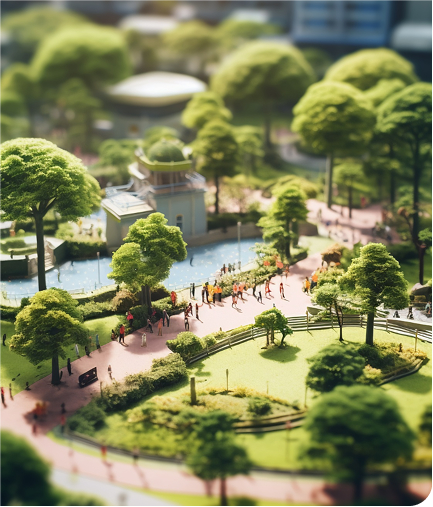
Community integration is at the heart of every successful urban and architectural project. When planning and design decisions are shaped around genuine engagement with local stakeholders, civic groups, and everyday users, the result is a built environment that truly reflects the needs and aspirations of the people it serves. Rather than imposing solutions from the outside, community-aligned design empowers residents to shape their surroundings, fostering a shared sense of ownership and long-term stewardship.
At the foundation of this approach is meaningful dialogue. Workshops, on-site assessments, surveys, and collaborative design sessions create opportunities for diverse voices to be heard—ensuring that decisions are informed by real human experiences rather than assumptions. These conversations help identify cultural priorities, social habits, mobility challenges, and emerging community trends that might otherwise remain hidden.
Community integration also strengthens the social fabric. When public spaces and developments are shaped by local insight, they become hubs of activity that support social connection, cultural expression, and economic participation. Infrastructure evolves from merely functional to deeply meaningful—bridging social divides, celebrating identity, and enabling healthier, more inclusive lifestyles.
Projects rooted in community involvement are more resilient as well. When people feel represented and respected in the design process, they are far more likely to protect, maintain, and support the space in the long term. This creates environments that not only succeed at opening, but continue to thrive as living, evolving assets for the neighborhood.
By embracing this collaborative approach, we ensure that every project delivers a lasting, positive impact—one that honors local identity, responds to real needs, and contributes to the long-term well-being of the community.
Related Resources
Community-Centric Sustainability
Building Public Spaces That Balance Ecology and Community Needs
Innovation-Driven Solutions
Using Technology and Creativity to Shape Modern Public Spaces
Smart Resource Management
Optimizing Sustainability Through Intelligent Design