Shaping Public Spaces
Designing Meaningful Places That Bring People Together
1. The Power of Human-Centered Public Spaces
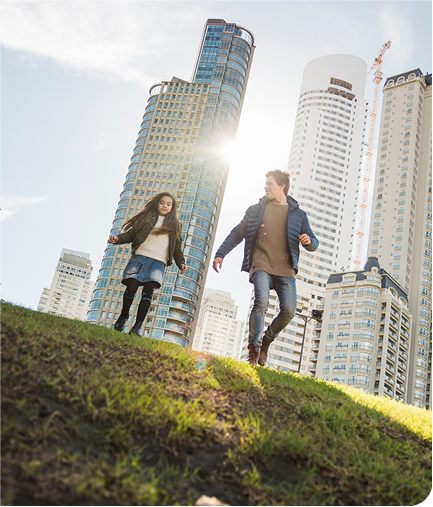
Public spaces are more than open areas—they are the heart of community life. When designed with people in mind, parks, plazas, and cultural hubs become environments where individuals feel safe, inspired, and connected. A well-crafted public space encourages social interaction, promotes healthy lifestyles, and creates a sense of belonging that strengthens the fabric of a community.
2. Designing with Purpose, Not Just Aesthetics
Modern public spaces require more than visual appeal. Effective design balances functionality, cultural identity, accessibility, and environmental resilience. Whether it's shade structures for comfort, wide pedestrian pathways, or seating that invites interaction, every element must enhance usability. Incorporating local culture and natural elements also transforms a simple space into a meaningful destination.
3. Why Community Engagement Matters
The most successful public spaces are built with communities, not just for them. Engaging local residents, civic groups, and cultural leaders ensures that the final design reflects shared values and everyday needs. This collaborative approach results in spaces that are loved, well-used, and preserved by the people they serve.
4. The Role of Green Environments in Urban Well-Being
Parks and landscaped plazas are essential to urban health. They provide cleaner air, reduce heat, support biodiversity, and create calm environments within busy cities. Studies show that even a short visit to a green space can reduce stress, elevate mood, and improve cognitive focus—making nature a vital component of public space planning.
5. Creating Spaces That Encourage Interaction
A well-designed public space sparks spontaneous conversations, shared experiences, and cultural exchange. Interactive installations, seating clusters, open areas for events, and shaded gathering points help people connect organically. When people feel comfortable staying longer, the space becomes a social anchor that nurtures community relationships.

6. Future-Ready Public Spaces
As cities evolve, public spaces must adapt to shifting needs. Smart lighting, flexible open areas, accessible design, and sustainable materials are now fundamental to future-ready public environments. These features ensure longevity while supporting changing community activities—from public markets to cultural festivals and leisure.
Related Resources
Community-Centric Sustainability
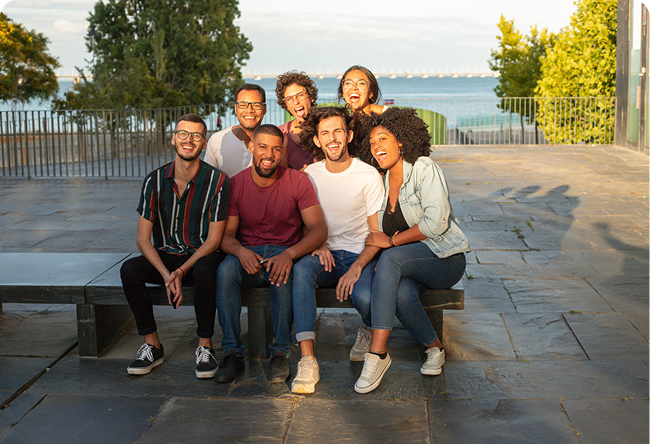
Building Public Spaces That Balance Ecology and Community Needs
Innovation-Driven Solutions
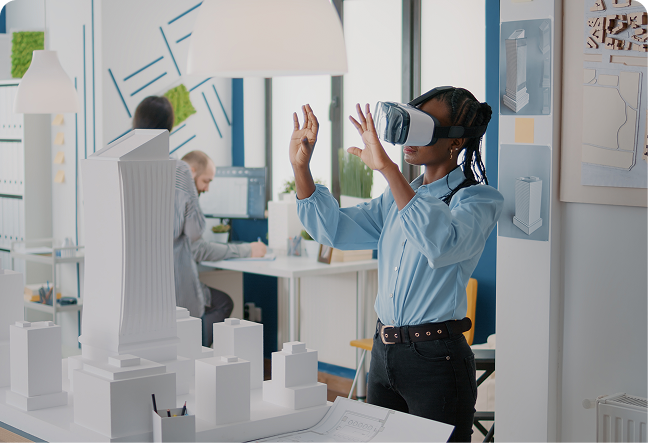
Using Technology and Creativity to Shape Modern Public Spaces
Smart Resource Management
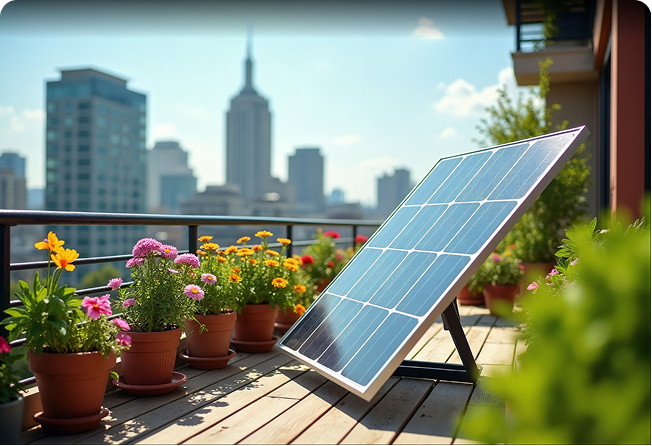
Optimizing Sustainability Through Intelligent Design